

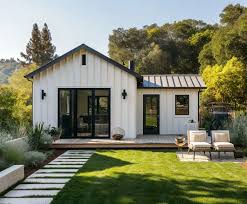
Accessory dwelling units, often referred to simply as ADUs, serve a dual purpose in cities like San Francisco that struggle with housing shortages and escalating real estate costs. Providing independent living quarters apart from a main residence, these ADUs create additional housing stock without extensive new construction. Known variously as “granny flats,” “in-law units,” or “backyard cottages,” ADUs enable homeowners to wring maximum value from their properties, whether by renting units to tenants seeking reasonably priced accommodations or offering lodging to family members. Beyond enhancing a home’s financial worth, ADUs afford flexibility to account for changing household needs over time or escape into a private retreat.
How ADUs Mitigate San Francisco’s Housing Crisis
For over a decade, San Francisco has grappled with a deepening housing emergency marked by skyrocketing lease prices and diminishing housing affordability. ADUs present an ingenious solution to this complex problem, one that capitalizes on existing residential real estate. By adding living spaces to properties already established in neighborhoods, ADUs integrate seamlessly without necessitating extensive new developments across wide areas. State lawmakers have acknowledged the potential benefits of ADUs, streamlining approval procedures and reducing regulatory hurdles to stimulate greater construction. Cities adopting similar policies now enable homeowners to chip away individually at the housing shortage, one backyard cottage at a time. In addition to augmenting housing supply, ADUs foster a stronger sense of community by allowing multigenerational families to reside in closer proximity while preserving their autonomy.
Investing in Additional Dwellings: The Financial Pros of Supplementing with an Accessory Dwelling Unit
The push for additional housing options comes not only from society’s growing demand but also from homeowners interested in new investment opportunities. Constructing an ADU can provide worthwhile returns. Apart from possible rental earnings, which may offset mortgage payments or establish a reliable income stream, including an ADU can substantially boost a property’s market value. Owners frequently see property worth increase by tens of thousands after an ADU is built. Moreover, with the need for rental accommodations rising, properties with ADUs tend to appeal more to potential purchasers when up for sale. Therefore, ADUs are viewed as a wise economic choice, merging income potential with chances for long-run appreciation value in one of America’s most coveted housing markets.
Determining the Right Contractor: Your Guide to Top San Francisco ADU Specialists
What to Search For in an ADU Contractor: Skills and Experience
Choosing a competent contractor for your auxiliary dwelling unit project is pivotal to achieving your aims. In evaluating possible builders, it’s paramount to scrutinize experience, as those with it comprehend San Francisco’s convoluted construction codes, zoning statutes, and rules concerning ADUs. An adept builder with a proven track record will not solely be well-versed in techniques maximizing limited space but will also possess a portfolio demonstrating skill and style through completed ventures. Additionally, examine their proficiency managing the entire undertaking—from conceptualization to final inspection. Effective intercommunication and project management considerably impact the overall experience and can streamline what is often a intricate procedure. When meeting potential contractors, inquire about past challenges and solicit testimonials to receive feedback from prior clients. This due diligence is critical to ensuring selecting an associate aligning with your vision and project objectives.
Preeminent ADU Builders in San Francisco: A Showcase of Expertise
Several extremely reputable San Francisco adu builders are contributing unique strengths. Companies like Gordon Wong Architects and Studio 7 Architects specialize in customized designs emphasizing aesthetics while satisfying functional needs. Build it Green merges sustainable practices with ADU construction, furnishing eco-conscious homeowners with energy-efficient solutions. Green Energy Design focuses on affordability without compromising quality, catering to homeowners seeking budget-friendly ADUs without sacrificing craftsmanship. Research these firms to comprehend their design philosophies, and contemplate arranging consultations to discuss your vision and gather insights on their processes. Investing time selecting the right contractor can save significant anguish and enhance the success of your ADU project.
Real Reviews: Learning from Homeowner Perspectives
Reading firsthand accounts from past clients is one of the most useful resources when selecting an ADU builder. Authentic reviews offer insight into a contractor’s dependability, workmanship caliber, and customer service. Websites like Yelp and Angie’s List allow homeowners to freely share their experiences from initial blueprinting to final construction handover. Consistent comments regarding poor communication or budget overruns warrant caution, while praise for timely end dates, quality crafting, and accommodating customer assistance signal a trustworthy builder. Neighborhood forums and civic groups may also provide anecdotal intelligence and real-world stories, empowering informed choices as the ADU journey starts.
Designing Your ADU: Appearance Aligns with Practical Use
Layout Customization: Maximizing Space While Ensuring Comfort
The design significantly impacts the ADU, as it must balance use and liveability while making the most of available area. Homeowners can opt for standalone structures, converted garages, or extensions, among other layouts. Open layouts have grown in popularity for their flexible space application without extra partitions. Incorporating versatile furnishings—such as sofabeds, folding tables, and built-in shelves—can substantially boost practicality, causing even tiny units to feel roomier. Additionally, features like high ceilings or expansive windows help cultivate an inviting atmosphere while allowing ample natural light indoors. Ultimately, the objective should be creating not just a place, but a home that feels accommodating and customized to reflect the homeowner’s needs and lifestyle.
Eco-Friendly Designs: Sustainable Features for Your ADU
As sustainability becomes increasingly important in construction, many homeowners make eco-friendly features a priority when designing their ADUs. Incorporating energy-efficient appliances and solar panels can lead to substantial long-term savings while noticeably reducing the property’s carbon footprint. Techniques like installing green roofs, sophisticated rainwater harvesting systems, and top-of-the-line energy-efficient insulation contribute to sustainability and markedly enhance the aesthetic appeal of the ADU. Technological advances now provide opportunities for advanced smart home features as well, permitting homeowners to control lighting, heating, and security systems remotely or through a smartphone. Ultimately, an eco-conscious approach to design not only fulfills important environmental responsibilities but often leads to greater contentment and higher demand within the rental market.
Customization Trends: Add Your Personal Touch for Unique Spaces
As homeowners look to create ADUs that reflect their distinctive tastes and lifestyles, customization trends have emerged incorporating bespoke finishes, cutting-edge technology, and artistic elements. Selecting unique finishes like reclaimed wood or artisanal tiles lends character and charm to an ADU. Homeowners are also making their ADUs more like primary homes with thoughtful amenities including high-end kitchen appliances, luxurious bathrooms, and attractive outdoor living spaces. Additionally, incorporating intelligent home technology, for instance programmable thermostats and security cameras, renders spaces more efficient and easier to oversee. Furthermore, trends for example biophilic design—connecting occupants with nature through natural elements—are becoming progressively popular. By customizing their ADUs, homeowners not only better the living experience but also generate appealing rental properties that stand out in a competitive market.
The Construction Process: From Vision to Reality
Navigating Permits: What Every Homeowner Needs to Know
Governing an ADU venture in San Francisco involves a multifaceted arrangement of edicts and licensing necessities that can be alarming for homeowners. Before groundbreaking, it is paramount to comprehend the allowing approach to avoid conceivable postponements or intricacies. Homeowners must warrant consistency with neighborhood zoning laws, which state where ADUs can be manufactured and what measurements they might be. San Francisco offers assets on their administration site to direct homeowners through the application procedure, including essential records, expenses, and schedules. Contracting a specialist with expertise in neighborhood directives can streamline this process significantly, ensuring that all documentation is correctly submitted and adherence is met. Understanding your property’s zoning assignment and teaming up with knowledgeable experts are principal strides in changing your vision into an actuality.
Timeline Desires: How Long Does It Truly Take?
The timetable for building an ADU can change fundamentally in light of components, for example, plan complexity, allowing procedures, and the builder’s limit. Homeowners should plan for a timetable of various months. Generally, the arranging and allowing periods can take between 3 to 6 months, relying upon how quickly you can satisfy the prerequisites laid out by the City. When all the reports are in request, development can take an extra 3 to 6 months, with variables like climate interruptions and material accessibility affecting the general timetable. Setting up clear correspondence with your builder and routinely following up on advancement can foster straightforwardness and help mitigate potential delays. Being arranged for a long procedure—and comprehending the periods included—will in the end help homeowners oversee desires and plan fittingly.
Staying Within Budget: Tips for Financial Planning for an Accessory Dwelling Unit
Building an ADU requires judicious financial management as it represents a considerable monetary investment. Homeowners would be wise to carefully evaluate both their budgetary constraints and anticipated cost variables related to the project such as architectural design, permitting fees, construction expenditures, and potential unexpected charges. A trustworthy contractor can furnish a detailed estimate after assessing the project specifications, promoting transparency and accountability throughout the process. Budgeting should also cover interior decoration and landscaping costs. To prevent cost overruns, homeowners can opt for a design emphasizing functionality over extravagance. Furthermore, maintaining flexibility in design selections may yield savings; choosing standard construction materials and fixtures rather than custom creations can significantly reduce costs. Prudent financial planning not only facilitates a smooth project timeline but also safeguards homeowners from monetary strain that could undermine their real estate portfolio moving forward.
